Welcome to Break Room -
The Movie
Where Comedy and Relaxation Meet
Release in Summer 2026
About
The Film
The Film
From the creators of the multi-award winning
film "Range Anxiety".
BREAK ROOM is a comedy about people who would rather argue about pronunciation than acknowledge how much they need each other. It is also, quietly, a play about exactly that need. The chips were jammed all along. It just took the right person, at the right moment, to shake them loose.
film "Range Anxiety".
BREAK ROOM is a comedy about people who would rather argue about pronunciation than acknowledge how much they need each other. It is also, quietly, a play about exactly that need. The chips were jammed all along. It just took the right person, at the right moment, to shake them loose.
Trailer
Discover the Fun
Elevate Your Break Experience
Countdown to Scheduled Release
Characters
Carl Vanetti
Cocky/Funny
Played by Richard Kern
Maxine Carter
Typical Office Worker
Played by Laura Hetzel
Linda Patel
Germ Freak
Played by Debra Kaufman
Nina Spritz
Lost her new clothes in a car fire
Played byJulie Slattery
Jack Davis
Boss
Played by Adam Weinstock
Frank Johnson
Office Rebel
Played by Frank Orlik
Lee Thurman
Tired guy sleeping on the couch
Played by Michael H. Fenster
Patricia Reynolds
Intern
Played by Dawn Ringhiser
Becky Tootlethorpe
Lady who cooks whitefish in the microwave. Grammar Nut.
Played by Jobbi Eagle
TV Host
Played by Paul Demasi
Male Protester
Played by Brian Tomek
Female Protester
Played by Kerry Manfredi
Fireman
Played by Ken Cohn
Pizza Delivery Man
Played by Frank Correira
Contact
Audition submissions are now closed. Thank you for your interest.
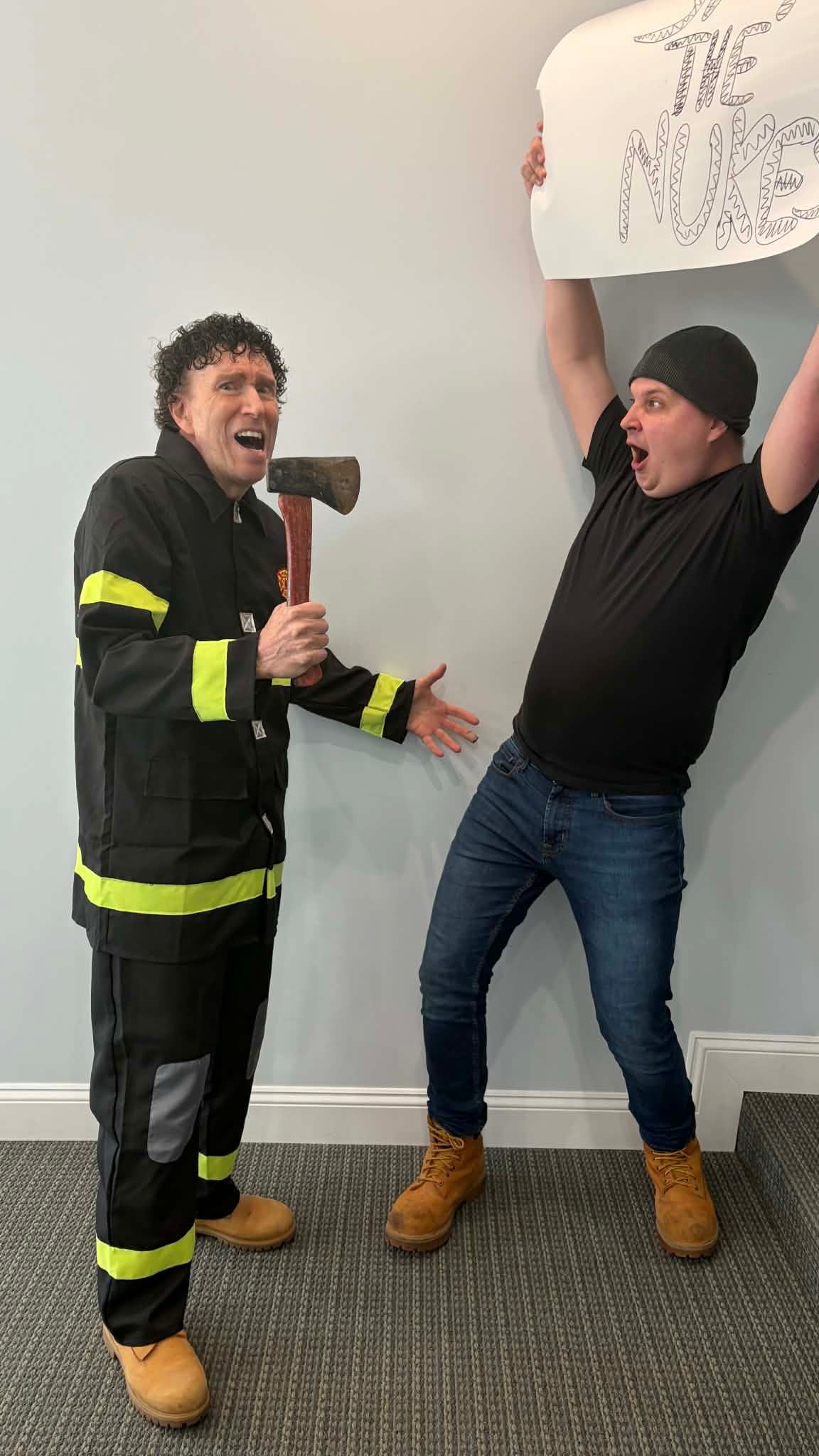
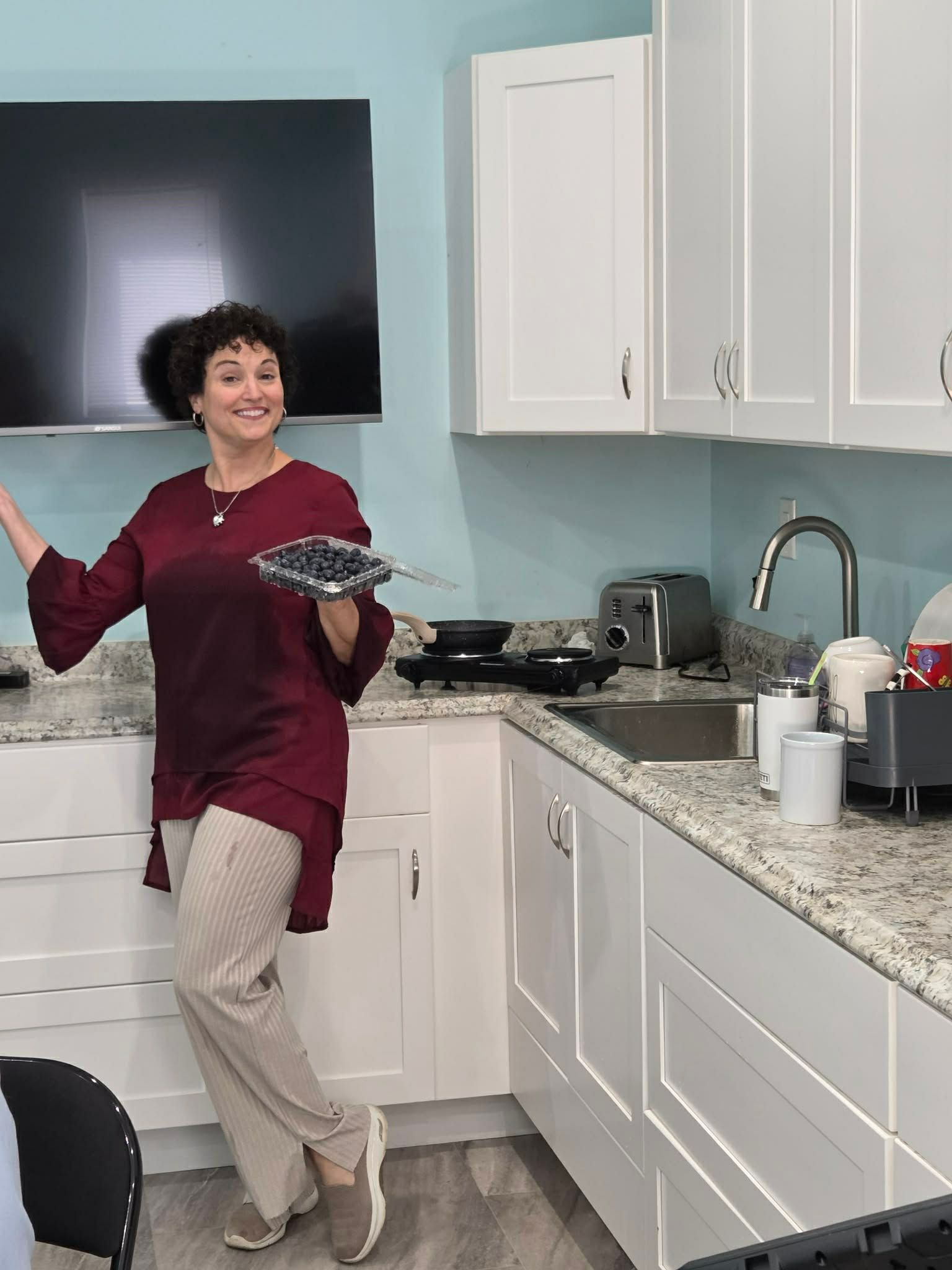
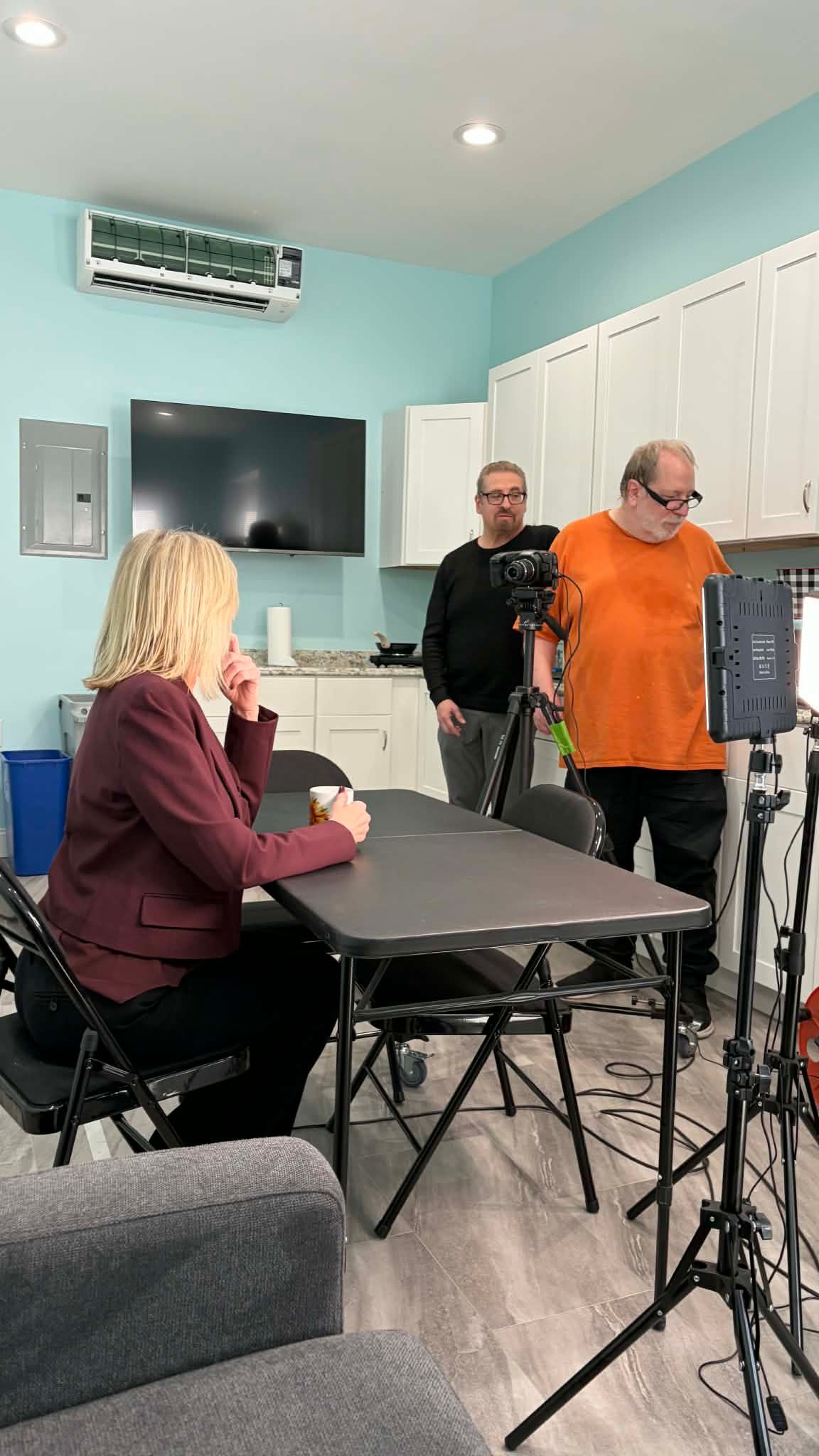
Behind the Scenes
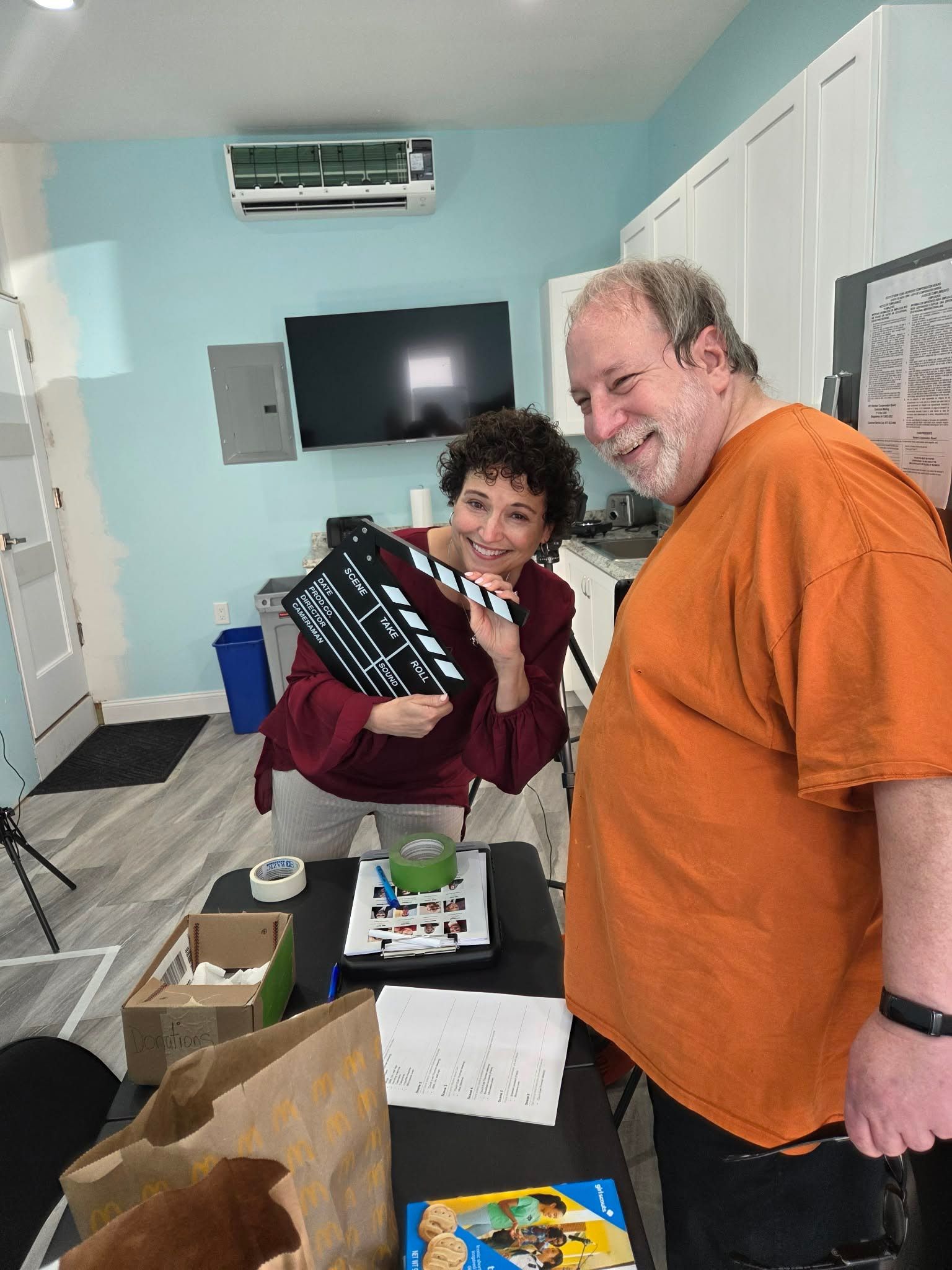
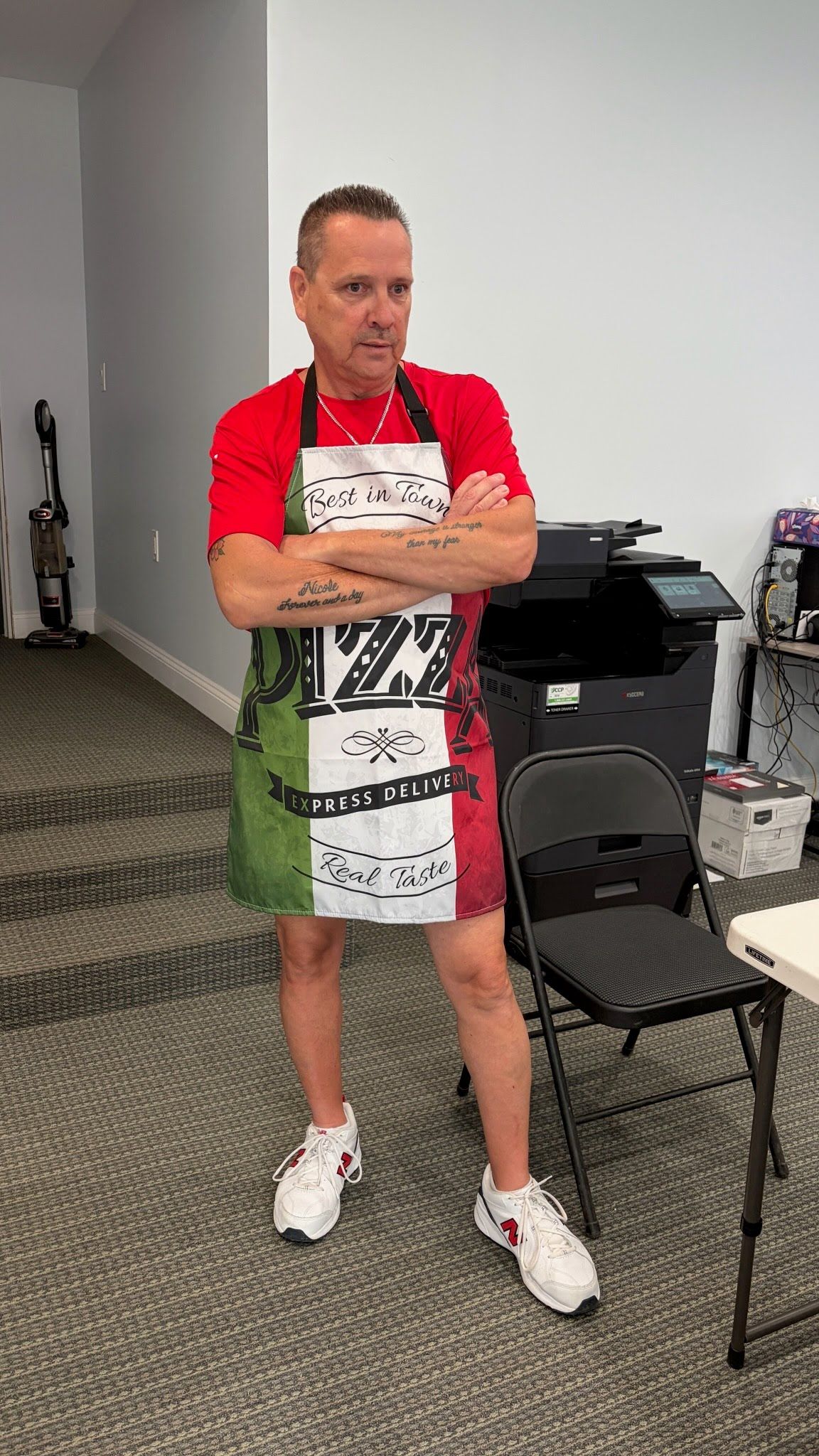
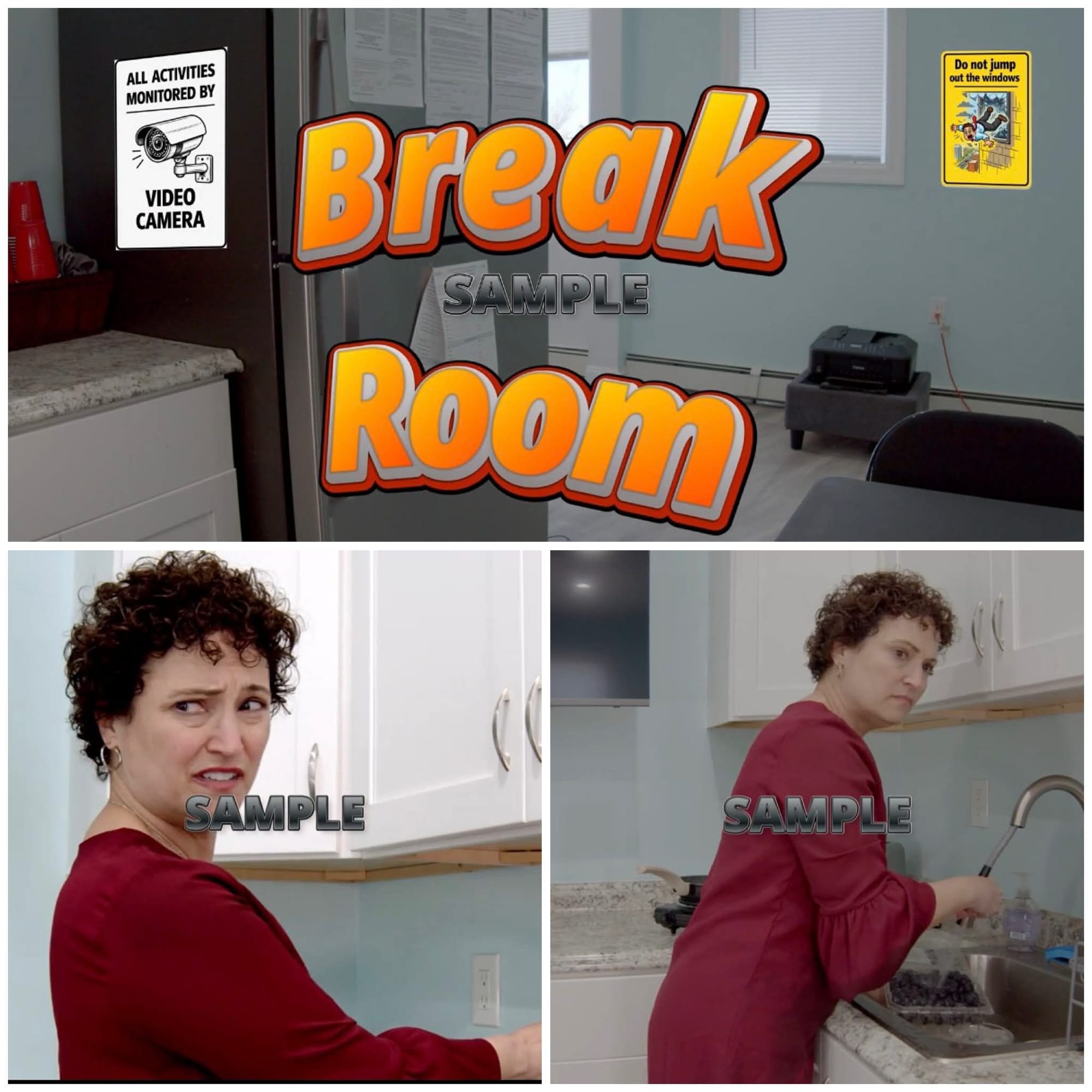

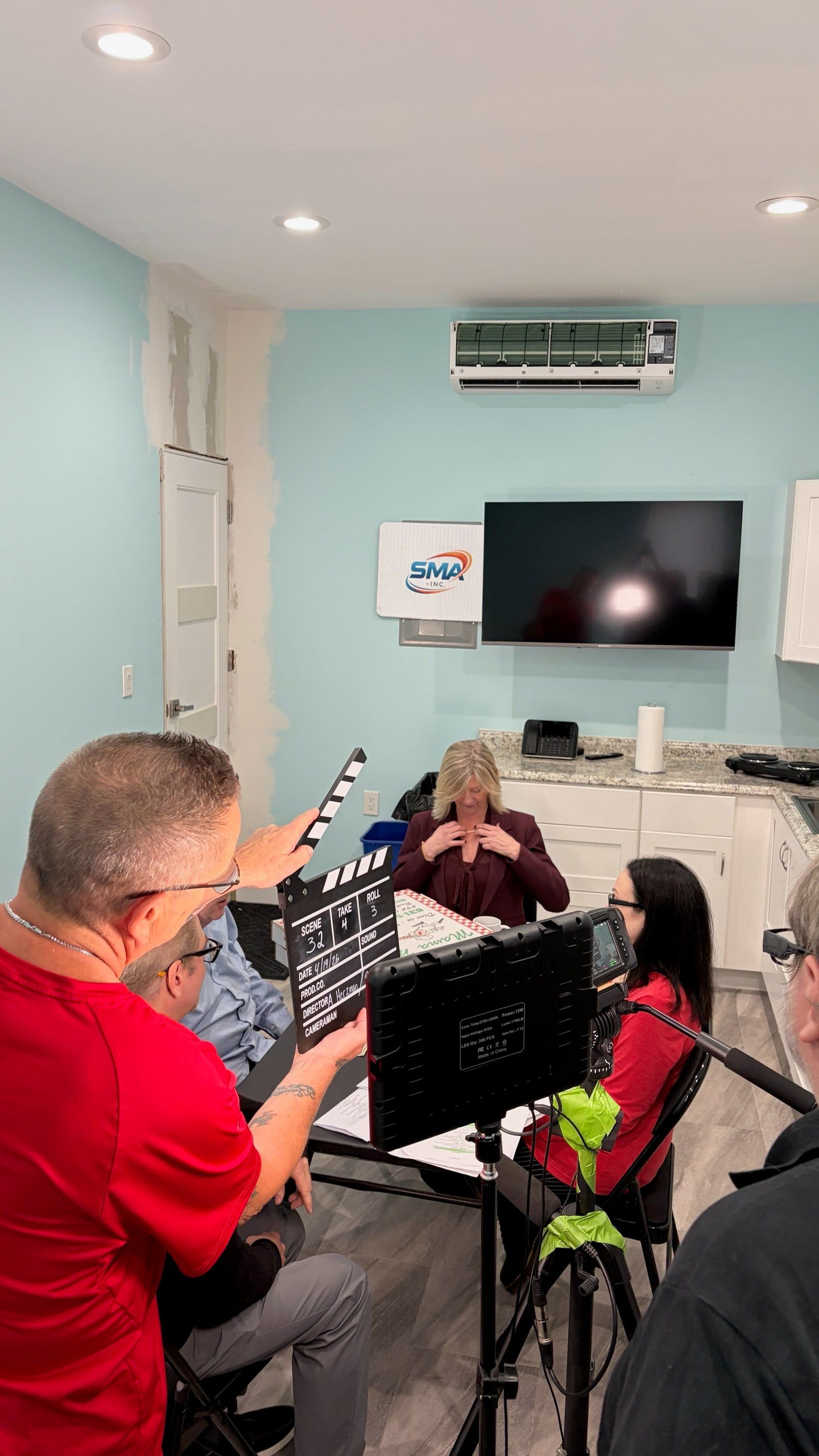
F.A.Q.
What is "Break Room"?
BREAK ROOM is a single-location ensemble comedy set entirely within the break room of SMA, Inc., a generic American corporation. The piece unfolds in real time across one frenetic morning, as a rotating cast of coworkers cycles through the room — grabbing coffee, heating lunches, arguing, commiserating, philosophizing, and repeatedly losing money to a broken vending machine.
The story has no villain, no hero, and no plot in the traditional sense. What it has instead is a vivid portrait of a specific American institution — the white-collar workplace — observed with a satirist's eye and a humanist's heart. The humor is character-driven and socially acute, drawing on workplace politics, generational friction, language peeves, class anxiety, protest culture, grammar snobbery, and the eternal injustice of a jammed snack machine.
The piece functions equally well as a short film, a stage play, or a television pilot for a workplace comedy series. Its compressed, single-set structure gives it an almost theatrical intimacy, while its episodic scene structure and large ensemble cast lend themselves naturally to an ongoing series format.
The story has no villain, no hero, and no plot in the traditional sense. What it has instead is a vivid portrait of a specific American institution — the white-collar workplace — observed with a satirist's eye and a humanist's heart. The humor is character-driven and socially acute, drawing on workplace politics, generational friction, language peeves, class anxiety, protest culture, grammar snobbery, and the eternal injustice of a jammed snack machine.
The piece functions equally well as a short film, a stage play, or a television pilot for a workplace comedy series. Its compressed, single-set structure gives it an almost theatrical intimacy, while its episodic scene structure and large ensemble cast lend themselves naturally to an ongoing series format.
What is the setting of the film?
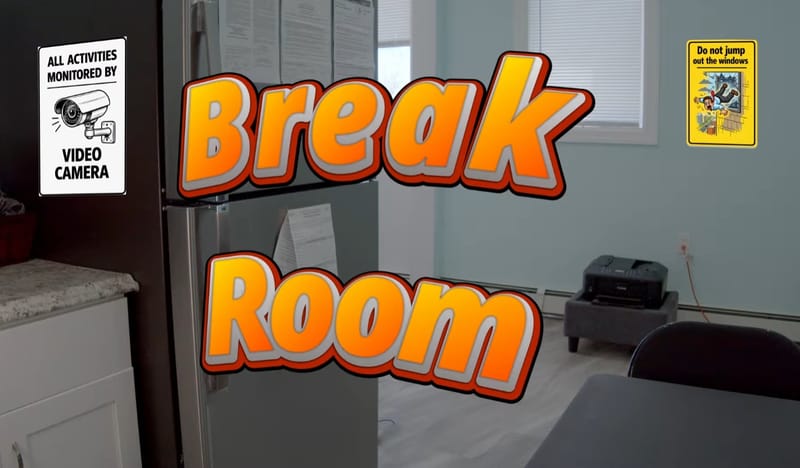
The entire story takes place in the break room of SMA, Inc. — a corporation whose business is never specified and doesn't need to be. The room is a familiar, slightly depressing corporate sanctuary: fluorescent lights, a worn couch, a table with mismatched chairs, a coffee maker, a microwave, a sink, a fax/copy machine, a telephone, and — crucially — a vending machine at slot C3 that has been quietly betraying its users all morning.
The break room is simultaneously a refuge from the office and a microcosm of everything wrong with it. People come here to escape their boss, only to find their boss. They come for solitude and find chaos. They come to eat in peace and end up in a debate about pesticides, politics, or proper pronunciation.
A protest is ongoing outside the building, adding a faint but persistent backdrop of sirens and crowd noise — the outside world literally pressing against the windows of this sealed little world.
The break room is simultaneously a refuge from the office and a microcosm of everything wrong with it. People come here to escape their boss, only to find their boss. They come for solitude and find chaos. They come to eat in peace and end up in a debate about pesticides, politics, or proper pronunciation.
A protest is ongoing outside the building, adding a faint but persistent backdrop of sirens and crowd noise — the outside world literally pressing against the windows of this sealed little world.
What is the format and tone of the film?
Format: Single-location ensemble comedy. One act, approximately 30–40 minutes at screen pace.
Tone: Dry, observational workplace satire with moments of unexpected warmth. Think early The Office meets a Waiting for Godot office party. Comic timing is everything; the humor emerges from repetition, escalation, and the gap between what characters say and what they mean.
Influences: The ensemble chaos of Robert Altman, the deadpan social observation of Mike Judge (Office Space), and the single-location unity of Rope or 12 Angry Men — except with chips and blueberries instead of murder.
Tone: Dry, observational workplace satire with moments of unexpected warmth. Think early The Office meets a Waiting for Godot office party. Comic timing is everything; the humor emerges from repetition, escalation, and the gap between what characters say and what they mean.
Influences: The ensemble chaos of Robert Altman, the deadpan social observation of Mike Judge (Office Space), and the single-location unity of Rope or 12 Angry Men — except with chips and blueberries instead of murder.
Who are the main Characters?
CARL VINETTI — 50s
The de facto protagonist and moral center of the piece — though 'moral center' is a relative term. Carl arrives ten minutes late, gets dressed down by his boss, and spends the rest of the morning holding court in the break room. He is a self-described John Lennon communist who delivers pizza tips grudgingly, raises money for a coworker's disaster, and closes the play by picking a floor-pizza slice and invoking the five-second rule. Carl is simultaneously the most idealistic and most contradictory character in the room — earnest, irritating, kind, and exactly the sort of person who would tell someone to stick a fork in an electrical outlet during a conversation about God.
MAXINE CARTER — Late 40s
Carl's long-suffering colleague and straight woman. Maxine is the voice of pragmatic sanity in a room full of chaos. She plays the brake to Carl's accelerator — warning him when he's in trouble, scolding him when he crosses a line, and quietly sipping her coffee while everything falls apart around her. She is the one who calls security and the one who ultimately defends Carl's right to be wrong.
FRANK JOHNSON — 50s
The office malcontent who turns out to be secretly right about almost everything. Frank is loud, disgruntled, and absolutely certain that corporate America is a scam — and the play never actually disproves him. His arc is the most surprising: he photocopies his own rear end in protest, calls a public access TV show to rant about his boss by name, gets called into the boss's office, and comes back with a promotion. Frank is the chaos agent who somehow lands on his feet.
JACK DAVIS — 50s
The boss. Jack is drawn with broad strokes — scowling, punitive, seemingly omniscient about employee infractions — but the play subtly humanizes him. He watches public access television. He monitors the fax machine. He picks peanuts from the vending machine and suffers the same injustice as everyone else when they jam. He storms out stepping on pizza. He is, in the end, just another person in the building.
LINDA PATEL — 40s
Linda arrives to wash blueberries and never really stops. She is the play's most sustained running gag — returning again and again to the sink, adding soap, washing with increasing fervor, until she finally drops the entire container on the floor and starts washing them all over again. Linda is a vehicle for the play's themes of anxiety, control, and the impossibility of purity in a contaminated world. She is also completely correct about pesticides.
BECKY TOODLETHORPE — 40s
A human resources representative from the fourth floor who becomes the play's most formidable comic presence. Becky corrects everyone's pronunciation (acai, nuclear, supposedly, often), cooks fish in the microwave, refuses to discuss politics or religion, and then sends Carl to sensitivity training for blasphemy. She is both the villain and the hero of a very specific kind of office comedy — the person who is technically right about everything and completely insufferable about it.
NINA SPRITZ — Late 30s
Nina arrives devastated — her car caught fire with $500 worth of new clothes inside — and leaves a thousand dollars richer after scratching a winning lottery ticket. Her arc is the play's emotional core and its most explicit statement about luck, generosity, and the randomness of the universe. Her exit line — 'have a better day than I'm having' — lands differently in retrospect.
PATRICIA REYNOLDS — Intern
The youngest person in the room and the most earnest. Patricia is the audience's surrogate — she doesn't know all the codes yet, doesn't have the cynicism — and Frank Johnson appoints himself her educator, delivering a monologue about corporate America that is both depressing and oddly moving. She loses money to the vending machine too.
LEE THURMAN — the man on the couch
Lee has been asleep on the break room couch for the entire play. Multiple people have called looking for him. He is the play's structural joke, its Waiting for Godot figure, its sleeping MacGuffin. When he finally wakes up and wins the chips from the jammed vending machine, the room erupts as though he has performed a miracle. He may be the most beloved character in the story without speaking more than two lines.
The de facto protagonist and moral center of the piece — though 'moral center' is a relative term. Carl arrives ten minutes late, gets dressed down by his boss, and spends the rest of the morning holding court in the break room. He is a self-described John Lennon communist who delivers pizza tips grudgingly, raises money for a coworker's disaster, and closes the play by picking a floor-pizza slice and invoking the five-second rule. Carl is simultaneously the most idealistic and most contradictory character in the room — earnest, irritating, kind, and exactly the sort of person who would tell someone to stick a fork in an electrical outlet during a conversation about God.
MAXINE CARTER — Late 40s
Carl's long-suffering colleague and straight woman. Maxine is the voice of pragmatic sanity in a room full of chaos. She plays the brake to Carl's accelerator — warning him when he's in trouble, scolding him when he crosses a line, and quietly sipping her coffee while everything falls apart around her. She is the one who calls security and the one who ultimately defends Carl's right to be wrong.
FRANK JOHNSON — 50s
The office malcontent who turns out to be secretly right about almost everything. Frank is loud, disgruntled, and absolutely certain that corporate America is a scam — and the play never actually disproves him. His arc is the most surprising: he photocopies his own rear end in protest, calls a public access TV show to rant about his boss by name, gets called into the boss's office, and comes back with a promotion. Frank is the chaos agent who somehow lands on his feet.
JACK DAVIS — 50s
The boss. Jack is drawn with broad strokes — scowling, punitive, seemingly omniscient about employee infractions — but the play subtly humanizes him. He watches public access television. He monitors the fax machine. He picks peanuts from the vending machine and suffers the same injustice as everyone else when they jam. He storms out stepping on pizza. He is, in the end, just another person in the building.
LINDA PATEL — 40s
Linda arrives to wash blueberries and never really stops. She is the play's most sustained running gag — returning again and again to the sink, adding soap, washing with increasing fervor, until she finally drops the entire container on the floor and starts washing them all over again. Linda is a vehicle for the play's themes of anxiety, control, and the impossibility of purity in a contaminated world. She is also completely correct about pesticides.
BECKY TOODLETHORPE — 40s
A human resources representative from the fourth floor who becomes the play's most formidable comic presence. Becky corrects everyone's pronunciation (acai, nuclear, supposedly, often), cooks fish in the microwave, refuses to discuss politics or religion, and then sends Carl to sensitivity training for blasphemy. She is both the villain and the hero of a very specific kind of office comedy — the person who is technically right about everything and completely insufferable about it.
NINA SPRITZ — Late 30s
Nina arrives devastated — her car caught fire with $500 worth of new clothes inside — and leaves a thousand dollars richer after scratching a winning lottery ticket. Her arc is the play's emotional core and its most explicit statement about luck, generosity, and the randomness of the universe. Her exit line — 'have a better day than I'm having' — lands differently in retrospect.
PATRICIA REYNOLDS — Intern
The youngest person in the room and the most earnest. Patricia is the audience's surrogate — she doesn't know all the codes yet, doesn't have the cynicism — and Frank Johnson appoints himself her educator, delivering a monologue about corporate America that is both depressing and oddly moving. She loses money to the vending machine too.
LEE THURMAN — the man on the couch
Lee has been asleep on the break room couch for the entire play. Multiple people have called looking for him. He is the play's structural joke, its Waiting for Godot figure, its sleeping MacGuffin. When he finally wakes up and wins the chips from the jammed vending machine, the room erupts as though he has performed a miracle. He may be the most beloved character in the story without speaking more than two lines.
What is the story summary?
The Setup
Carl arrives late. Maxine warns him. They find a sleeping stranger on the couch. Jack Davis immediately materializes to dress Carl down and summon him to his office. While Carl is gone, Frank arrives, heats a breakfast sandwich, and vents about the protest outside. Carl returns. Frank is sent to Jack's office. The vending machine eats money from multiple people at slot C3, jamming each time, building a slow accumulation of unreleased chips behind the coil.
Escalation
Nina arrives with the news of her burned car and clothes. Carl organizes a donation box. Linda begins her epic blueberry-washing odyssey. Frank returns from Jack's office and — in what may be the single most ill-advised workplace decision in the play — photocopies his rear end on the company fax machine, not knowing it automatically sends to Jack's office. He then calls a live public access TV show and rants about the mayor and Jack Davis by name, while Jack watches from his office. The fireman arrives because of the smoke alarm triggered by Becky's microwaved whitefish. Becky corrects everyone's pronunciation and dispatches Carl to sensitivity training.
The Climax
Two groups of protestors have wandered in off the street. The fire alarm goes off again. The fireman herds everyone out. Jack arrives to survey the damage — pizza on the floor, blueberries everywhere, a man still asleep on the couch — and goes to the vending machine, where the assembled crowd chants for C3. Jack picks peanuts. They jam. He storms out.
Resolution
Nina scratches the donated lottery ticket and wins $1,000. The room erupts. Lee Thurman wakes up. The crowd learns who the sleeping man is — the person everyone has been calling for. Lee goes to the vending machine, presses C3, and the entire avalanche of jammed chips cascades out. Everyone cheers. Jack walks in to see what the commotion is. Frank Johnson delivers the final line. Credits roll.
Carl arrives late. Maxine warns him. They find a sleeping stranger on the couch. Jack Davis immediately materializes to dress Carl down and summon him to his office. While Carl is gone, Frank arrives, heats a breakfast sandwich, and vents about the protest outside. Carl returns. Frank is sent to Jack's office. The vending machine eats money from multiple people at slot C3, jamming each time, building a slow accumulation of unreleased chips behind the coil.
Escalation
Nina arrives with the news of her burned car and clothes. Carl organizes a donation box. Linda begins her epic blueberry-washing odyssey. Frank returns from Jack's office and — in what may be the single most ill-advised workplace decision in the play — photocopies his rear end on the company fax machine, not knowing it automatically sends to Jack's office. He then calls a live public access TV show and rants about the mayor and Jack Davis by name, while Jack watches from his office. The fireman arrives because of the smoke alarm triggered by Becky's microwaved whitefish. Becky corrects everyone's pronunciation and dispatches Carl to sensitivity training.
The Climax
Two groups of protestors have wandered in off the street. The fire alarm goes off again. The fireman herds everyone out. Jack arrives to survey the damage — pizza on the floor, blueberries everywhere, a man still asleep on the couch — and goes to the vending machine, where the assembled crowd chants for C3. Jack picks peanuts. They jam. He storms out.
Resolution
Nina scratches the donated lottery ticket and wins $1,000. The room erupts. Lee Thurman wakes up. The crowd learns who the sleeping man is — the person everyone has been calling for. Lee goes to the vending machine, presses C3, and the entire avalanche of jammed chips cascades out. Everyone cheers. Jack walks in to see what the commotion is. Frank Johnson delivers the final line. Credits roll.
What are the themes of the film?
The Workplace as Total Institution
The break room is supposed to be a refuge, but the boss has security cameras. The fax machine reports your indiscretions. You cannot escape. The play treats the office as a kind of benign prison — one that most of its inmates are ambivalent about escaping.
Class, Labor, and the Grand Bargain
Frank's extended monologue about corporate America — the game of doing as little as possible without getting fired, while the company pays as little as possible without making you quit — is the play's thesis statement on labor relations. It is cynical, accurate, and immediately undercut by Frank receiving a promotion.
Language, Correctness, and Power
Becky Toodlethorpe uses pronunciation correction as a form of social control. The play is genuinely interested in questions of linguistic authority — who gets to correct whom, whether correctness is ever actually the point, and what it feels like to be on the receiving end of perpetual correction. Becky is also occasionally right.
Luck, Generosity, and Grace
Nina's lottery ticket is the play's quiet miracle. A random act of generosity — someone slipping a lottery ticket into a donation box — transforms a bad day into a windfall. The play doesn't explain who put the ticket in. It doesn't need to. Some things are just grace.
Community and Isolation
Everyone in the break room is slightly isolated — by ego, grievance, ideology, or blueberries — and yet they keep gravitating back to the same small room, eating the same bad food, losing money to the same broken machine. The vending machine's final avalanche of chips is the play's image of involuntary, ridiculous community: nobody asked for this, but here we all are.
The break room is supposed to be a refuge, but the boss has security cameras. The fax machine reports your indiscretions. You cannot escape. The play treats the office as a kind of benign prison — one that most of its inmates are ambivalent about escaping.
Class, Labor, and the Grand Bargain
Frank's extended monologue about corporate America — the game of doing as little as possible without getting fired, while the company pays as little as possible without making you quit — is the play's thesis statement on labor relations. It is cynical, accurate, and immediately undercut by Frank receiving a promotion.
Language, Correctness, and Power
Becky Toodlethorpe uses pronunciation correction as a form of social control. The play is genuinely interested in questions of linguistic authority — who gets to correct whom, whether correctness is ever actually the point, and what it feels like to be on the receiving end of perpetual correction. Becky is also occasionally right.
Luck, Generosity, and Grace
Nina's lottery ticket is the play's quiet miracle. A random act of generosity — someone slipping a lottery ticket into a donation box — transforms a bad day into a windfall. The play doesn't explain who put the ticket in. It doesn't need to. Some things are just grace.
Community and Isolation
Everyone in the break room is slightly isolated — by ego, grievance, ideology, or blueberries — and yet they keep gravitating back to the same small room, eating the same bad food, losing money to the same broken machine. The vending machine's final avalanche of chips is the play's image of involuntary, ridiculous community: nobody asked for this, but here we all are.
Is there a series potential?
As a pilot, BREAK ROOM establishes a rich world with enormous room to grow. The break room as a fixed location functions the way the bar in Cheers or the bullpen in The Office does — as a recurring hub where characters cycle through, decompress, and reveal themselves. New employees, visiting vendors, HR investigations, corporate restructurings, and seasonal events (the holiday party, the annual review) all offer fresh material while preserving the show's essential grammar.
Frank Johnson's promotion to management opens an especially rich vein: the play's most cynical character is now 'the dark side' he has been describing all morning. His disillusionment — or his unexpected competence — could anchor a series.
Lee Thurman, finally awake, is a blank slate of a character: we know nothing about him except that he slept through everything and still got the chips. He is the show's wild card, its Kramer, its possibility.
Frank Johnson's promotion to management opens an especially rich vein: the play's most cynical character is now 'the dark side' he has been describing all morning. His disillusionment — or his unexpected competence — could anchor a series.
Lee Thurman, finally awake, is a blank slate of a character: we know nothing about him except that he slept through everything and still got the chips. He is the show's wild card, its Kramer, its possibility.
Film Festivals
Festival Status
| Festival | Notification Date | Event Dates | Judging Status | Category Name |
| Unhinged Cinema: London Comedy & Cult Film Fest | March 7, 2027 | April 1, 2027 to April 7, 2027 | Undecided | International Unhinged Cinema |
| New Jersey Comedy Film Festival | August 1, 2026 | September 26, 2026 to September 26, 2026 | Undecided | Short Films |
| Reply AI Film Festival | August 1, 2026 | September 2, 2026 to September 8, 2026 | Undecided | General - Short |
| Chain NYC Film Festival | July 1, 2026 | August 6, 2026 to August 16, 2026 | Undecided | Comedy Short |
| Empire State Film Festival | September 6, 2026 | October 23, 2026 to October 25, 2026 | Undecided | Short |
| Nicomedia International Film Awards | June 7, 2026 | June 7, 2026 to June 7, 2026 | Nominee | Best Comedy |
| All Comedy Short Film Festival | April 25, 2027 | May 15, 2027 to May 15, 2027 | Undecided | 30 MINUTE COMEDY |
| Ha Ha Harvest Comedy and Film Festival | August 22, 2026 | October 2, 2026 to October 04, 2026 | Undecided | Episodic/Pilot |
| NYLIFF | September 1, 2026 | October 21, 2026 to October 25, 2026 | Undecided | STREAMING PROOF OF CONCEPT SHORTS |
| The Greatest NYC Festival | July 11, 2026 | July 25, 2026 | Undecided | The Greatest Comedy |
| The Long Beach International Film Festival | July 6, 2026 | July 22 to July 25, 2026 | Undecided | Shorts |
| MLC Awards of Green Bay | June 14, 2027 | September 4 to September 5, 2027 | Undecided | Pilot or Series |
| Manhattan Independent Film Festival | October 13, 2026 | November 11, 2026 | Undecided | Manhattan Stories |